8 Published BooksDušan Makavejev
Rođen 1932. u Beogradu. Roditelji su mu bili Sergije Makavejev i Jelka rođena Bojkić, prva žena diplomirani veterinar u Jugoslaviji. Diplomirao psihologiju i filmsku režiju. Pedesetih godina jedan je od najistaknutijih kinoklubaša, kada nastaju njegovi prvi filmski uradci među kojima i horor „Pečat“ (1956) u kojem igra Jovan Ćirilov.
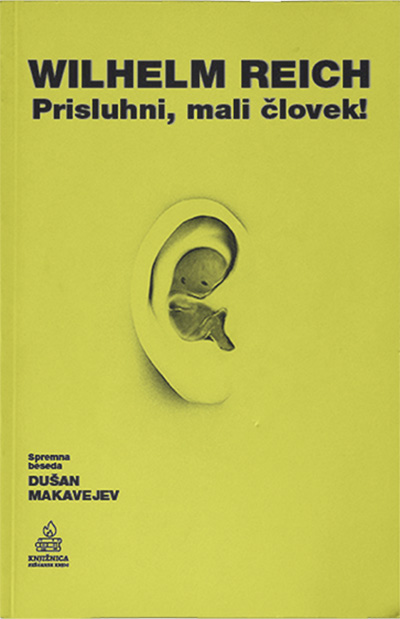
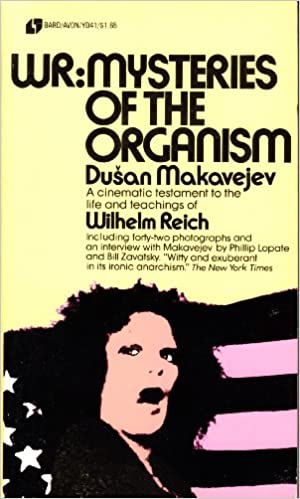
Neka od najznačajnijih ostvarenja Makavejeva su: dokumentarac „Parada“ iz 1962, igrani filmovi „Čovek nije tica“ (1965) u kome se vidi njegova „karnevalska poetika“ – kombinovanje dokumentarnog i igranog materijala, česta upotreba kamere iz ruke, ironija, razigranost, bizarni detalji, politička i erotska provokativnost. Seksualnost, je često propitivao u svojim filmovima, a najradikalniji primeri toga su „W. R. Misterije organizma“ i „Sweet Movie“.
Antologijski su i filmovi „Ljubavni slučaj ili tragedija službenice PTT“ (1967) i „Nevinost bez zaštite“ koji je osvojio Srebrnog medveda i nagradu međunarodne kritike.
Dobitnik je velikog broja domaćih i stranih nagrada: Oktobarska nagrada Beograda, Srebrni medved u Berlinu, Srebrna arena u Puli, Luis Bunjuel u Kanu, Srebrni Hugo u Čikagu, Zlatno doba Belgijske kraljevske kinoteke, „Filmska legenda“ koju dodeljuje Festival filmova jugoistočne Evrope sa sedištem u Parizu.
____
In English:
Dusan Makavejev is the premier figure in Yugoslavian film history; his films are deeply rooted in his nation's painful postwar experiences and draw on important Yugoslavian cinematic and cultural models. In the 1950s, after studying psychology at Belgrade University, Makavejev became involved in the activities of various film societies and festivals and studied direction at the Academy for Radio, Television and Film. As early as 1953, he began making short films and documentaries and would work in various capacities at both the Zagreb and Avala studios during the late 50s and early 60s. The documentary impulse remains powerful in Makavejev's work, as does the tendency to intercut undigested segments from other films into longer works.
Makavejev enjoyed great critical success with his first three features, Man Is Not a Bird (1965), "Love Affair" (1967) and Innocence Unprotected (1968). Highly allegorical and relying on techniques derived from Brecht and influenced by Godard, these films were sardonic and anarchistic views of Eastern European state socialist milieus.
Much of Makavejev's work has been uncompromisingly experimental as well as politically outrageous. WR: Mysteries of the Organism (1971) is the best example of this combination and is the director's most influential work to date.
Sweet Movie (1974)- a disjointed, two-part narrative, it again focuses on radical techniques in sexual psychotherapy, here played out rather than verbalized.
Montenegro (1981) has been Makavejev's greatest financial success to date. Political commentary and formal experimentation are subordinated to narrative drive in this story of a housewife (Susan Anspach) who grapples with sexual liberation and fails.
The Coca-Cola Kid (1985), - a genuinely erotic film which takes a quirky, satiric view both of its Australian setting and the international business world.
Makavejev's long exile from his homeland ended in 1988 with the release of Manifesto (1988), a Ruritanian political farce mostly shot in Yugoslavia.
Gorilla Bathes at Noon (1993), a political comedy based on the adventures of a Russian soldier as he wanders around Berlin.
Family wife: Bojana Marijan (married in 1964; has worked with Makavejev)
Education Academy of Theater, Radio, Film and Television Belgrade, Yugoslavia Belgrade University Belgrade, Yugoslavia psychology 1955.