66 Published BooksRoberto Calasso
Roberto Calasso (1941 – 2021) was an Italian writer and publisher.
Calasso was born in Florence in 1941, into a family of the Tuscan upper class, well connected with some of the great Italian intellectuals of their time.
Calasso worked for the publishing firm of Adelphi Edizioni since its founding by Roberto Bazlen in 1962 and became its Chairman in 1999. In 2015, he bought out the company to prevent it from being acquired by a larger publishing firm. His books have been translated into more than 20 languages.
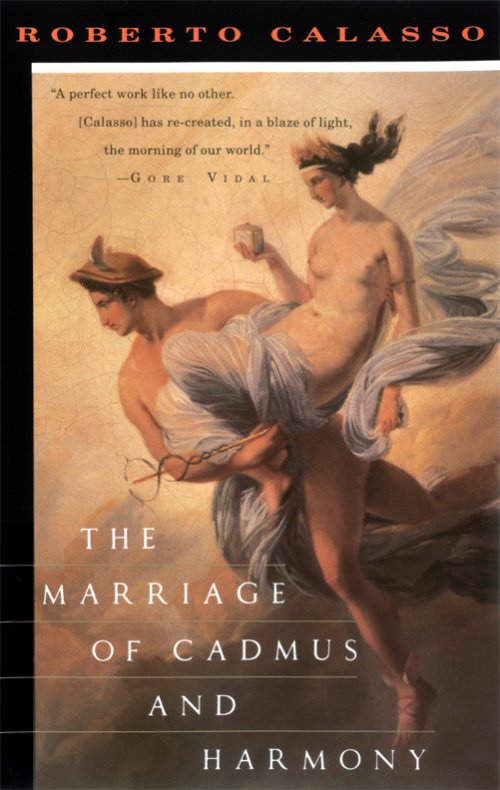
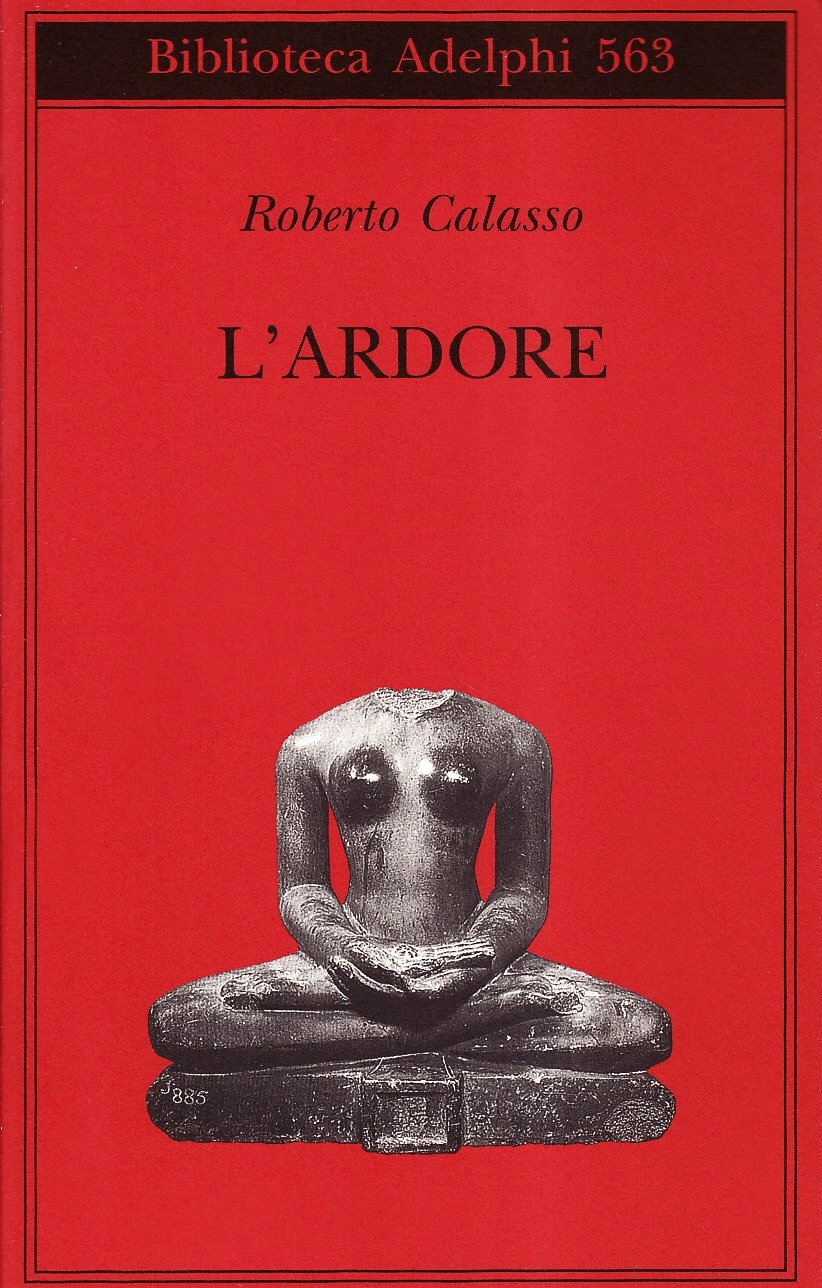
He was the author of an unnamed ongoing work reflecting on the culture of modernity, which began with The Ruin of Kasch in 1983, a book admired by Italo Calvino. Dedicated to the French statesman Charles Maurice de Talleyrand-Périgord or, Talleyrand, it was followed in 1988 by The Marriage of Cadmus and Harmony, in which the tale of Cadmus and his wife Harmonia becomes a pretext for re-telling the great tales of Greek mythology and reflecting on the reception of Greek culture for a contemporary readership. Another world civilization is surveyed in Ka (1996, where the subject of the re-telling is Hindu mythology). K restricts the focus to a single author, Franz Kafka; this trend continues with Il rosa Tiepolo (Tiepolo Pink), inspired by an adjective used by Marcel Proust to describe a shade of pink used by Venetian artist Giambattista Tiepolo in his paintings. With La folie Baudelaire, Calasso once more broadens his scope from fresco to a whole civilisation, that of Paris in the latter half of the 19th century, reconsidering the lives and works of the post-romantic generation of writers and artists from Baudelaire to Valéry. In one of his more recent works, Ardore (2010), the author returns to India for an exhaustive analysis of the theory and practice of Vedic sacrifice and its significance for post-modern epistemology.
Along with his status as a major analyst specifically of the works of Kafka, Calasso was, more broadly, active in many essays in retrieving and re-invigorating the notion of a Central European literary culture. He also served as the president of the International Alexander Lernet-Holenia Society, which promotes the publication, translation and study of this multi-genre Austrian writer and his focus on the identity crisis of his characters at odds with postimperial Austria and Central Europe.