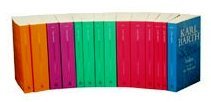
453 Published BooksKarl Barth
Protestant theologian Karl Barth, a Swiss, advocated a return to the principles of the Reformation and the teachings of the Bible; his published works include
Church Dogmatics
from 1932.
Critics hold Karl Barth among the most important Christian thinkers of the 20th century; Pope Pius XII described him as the most important since Saint Thomas Aquinas. Beginning with his experience as a pastor, he rejected his typical predominant liberal, especially German training of 19th century.
Instead, he embarked on a new path, initially called dialectical, due to its stress on the paradoxical nature of divine truth—for instance, God is both grace and judgment), but more accurately called a of the Word. Critics referred to this father of new orthodoxy, a pejorative term that he emphatically rejected. His thought emphasized the sovereignty of God, particularly through his innovative doctrine of election. His enormously influenced throughout Europe and America.