9 Published BooksAemilia Lanyer
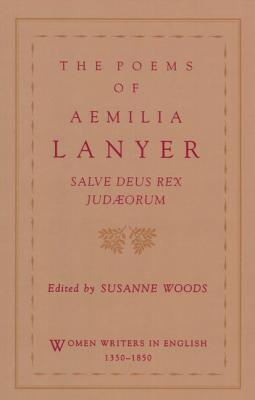
Aemilia Lanyer (1569-1645) was born to Margaret Johnson and Baptista Basano. She would become a well known woman and poet years after she published a volume of religious poems in 1611. She grew up in the height of Elizabethan power but lived her adult life under the reign of James I during his move towards a strictly patriarchal society. Aemilia Lanyer was an influential poet because she was the first English woman to have her book of poems, Salve Deus Rex Judaeorum, published. This book challenged the thoughts on gender and ideology of the time.
Little is known about Lanyer’s family or her life. There are multiple leads in her family tree and even their religious background. A.L. Rowse believes Lanyer’s family was actually Jewish based on records he found in the Italian town of Basano, where Lanyer’s family came from. Rowse is not in the majority though; most critics believe her family was Protestant because her writing appears to be strongly rooted in Protestant's traditions and her parents are believed to have connections with the Protestant reform movement. Basano was a court musician and died when Lanyer was seven. After his death, Lanyer was sent to Susan Bertie, dowager countess of Kent, where she received five years of humanist education. The skills she learned during her schooling are seen later in her poems; Lanyer’s work clearly showcases knowledge of Latin, classical literature, and the Bible along with rhetorical and poetic skills.
In 1587 Lanyer’s mother passed away and 18 year old Lanyer found herself immersed in court life. There, she attracted the attention of Henry Carey, Queen Elizabeth’s first cousin. The affair that bloomed from this relationship lasted until 1592, when Lanyer was found with child and married a musician (like her father) named Alfonso Lanyer. The baby was a boy which they named Henry. When Aemilia and Alfonso decided to have their own children, they ran into difficulties as Lanyer had several miscarriages.
It was these miscarriages which prompted Lanyer to visit Simon Forman, a popular astrologer, in 1597. Forman kept detailed diaries of his clients and although his handwriting was messy, these diaries give readers a new look on Lanyer and her life. Not only was she worried about miscarriages but also money troubles. When she was at court and involved with her lover Carey, Lanyer had access to large amounts of money and missed this in her marriage. She hoped Alfonso would be knighted which would make her a lady and provide more money. As he did with his other clients, Forman attempted to seduce her: he came to her house when Alfonso was at sea and tried to have a liaison with her. Lanyer refused and some critics believed it was Forman’s attempt that prompted Lanyer to write about men’s untrustworthiness in her poems.
Alfonso died in 1613 and left Lanyer with financial woes. These difficulties would stay with Lanyer for the rest of her life. She tried various ventures to earn money such as founding a school in St. Giles in the Field from 1617-1619. Unfortunately, the school was unsuccessful. Not much about her life is known after that. Lanyer’s final record was her death on April 3, 1645; she was seventy-six years old.