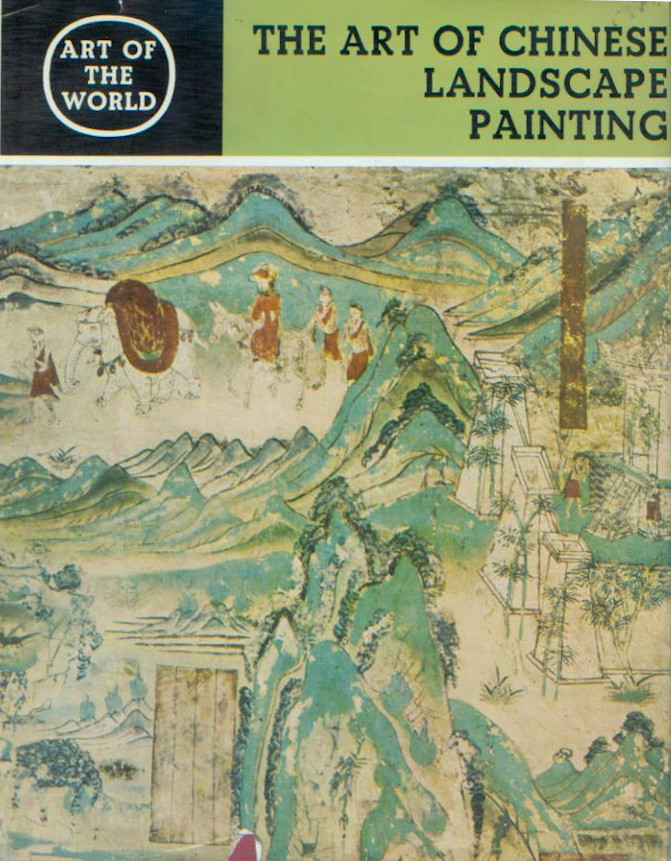
The Art of Chinese Landscape Painting in the Caves of Tun-Huang (Art of the World)
From inner cover:42 color plates, 56 monochrome plates, 31 line illustrations, map, and chronological tables In western China, on the great Silk...
Also Available in:
- Amazon
- Audible
- Barnes & Noble
- AbeBooks
- Kobo
More Details
From inner cover:
42 color plates, 56 monochrome plates, 31 line illustrations, map, and chronological tables
In western China, on the great Silk Road, lies the ancient city of Tun-huang, famous for its great Buddhist shrine, consisting of no fewer than 469 caves carved out of a sandy cliff. Founded in the fourth century A. D., its wealth of wall-paintings and other valuable works of art was produced during successive dynasties--the Sui, the T'ang and the Sung in particular-and right up to the nineteenth-century, when it first came to the notice of the Western world. Few persons outside China have set eyes upon this extraordinary body of paintings. Anil de Silva had the good fortune to do so and to take photographs of them in color, many of which are published here for the first time. In preparing this study she has had the assistance of several distinguish ed Sinologists, including Dr. Arthur Waley and Dr. Joseph Needham. She shows that Tun-huang was no mere provincial site, for it while served as intermediary for Western influences, it also gave expression to the main stream of the Chinese art tradition, providing a comprehensive analysis of the development of style, themes and techniques in Chinese landscape painting. To the Chinese, some subjects symbolize religious concepts and divine beings; others convey the deep respect and love the Chinese have always felt for the natural world for mountains, trees, water, dark clouds and falling leaves, all expressing the underlying philosophic principle of order, li. In Tun-huang, we find the breath of the spirit that sings through the flaming lacquers and Wei reliefs with a poignant immediacy" that belongs only to Chinese art.
- Format:
- Pages:242 pages
- Publication:1967
- Publisher:Crown Publishers, INC., New York
- Edition:First English
- Language:eng
- ISBN10:
- ISBN13:
- kindle Asin:B0DN8GWVWB
About Author